

Causal Discovery That Actually Scales
Enterprise Decision Intelligence for Building Scalable Causal Models from Real World Data
The biggest companies in the world use causal inference on their most important decisions.
But even they cannot scale it to every decision in their organisation.
RootCause.ai solved the two problems that made that impossible.
Why Causal AI Breaks at Enterprise Scale:
Combinatorial Explosion & Latent Confounders
Causal inference isn't new. The theory has existed for decades and companies spend millions on individual causal AI projects. But even the most advanced companies on the planet have difficulty applying causal rigor to every decision across their organization because of two fundamental technical barriers.
Combinatorial Explosion in Causal Analysis
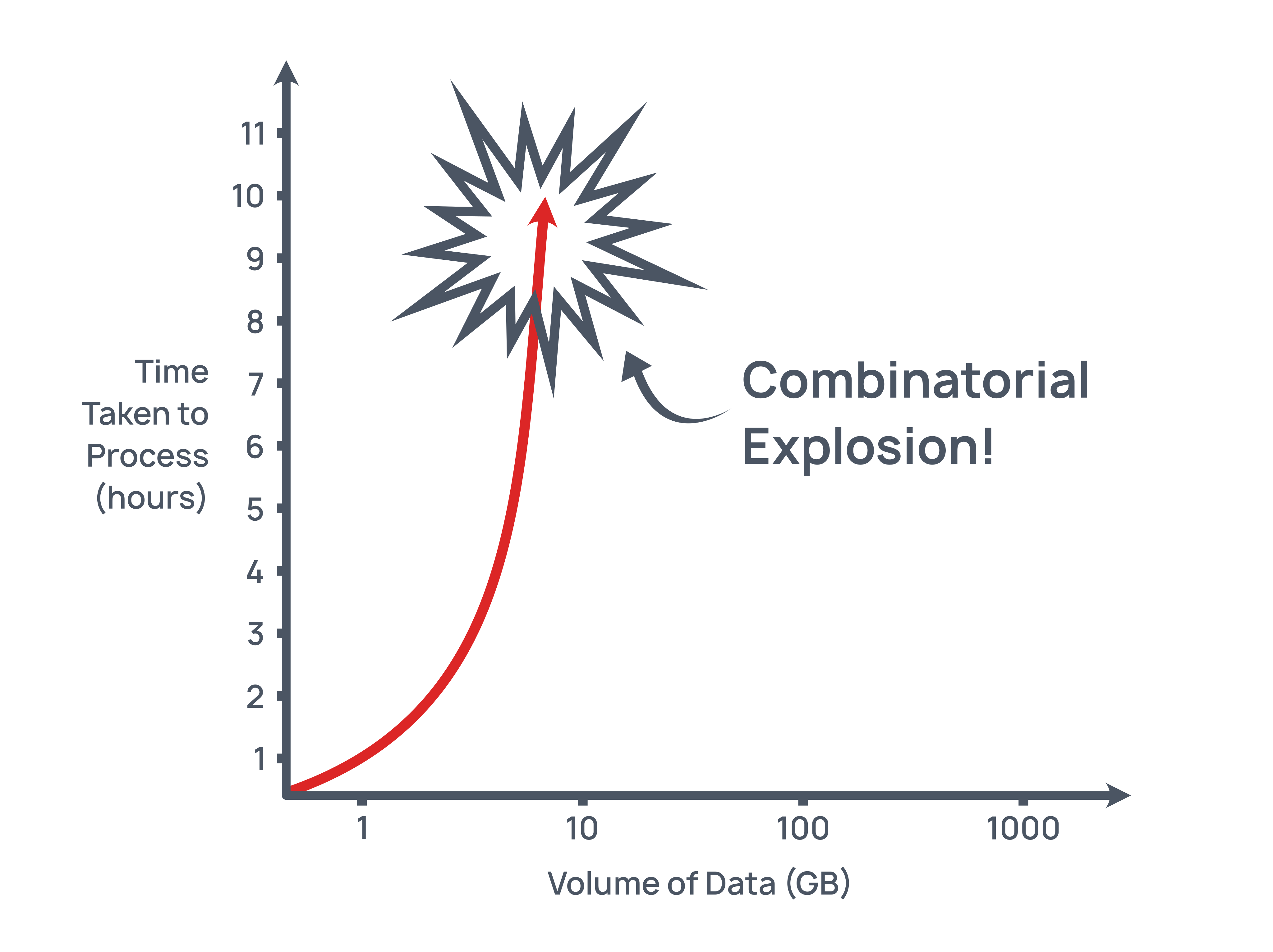
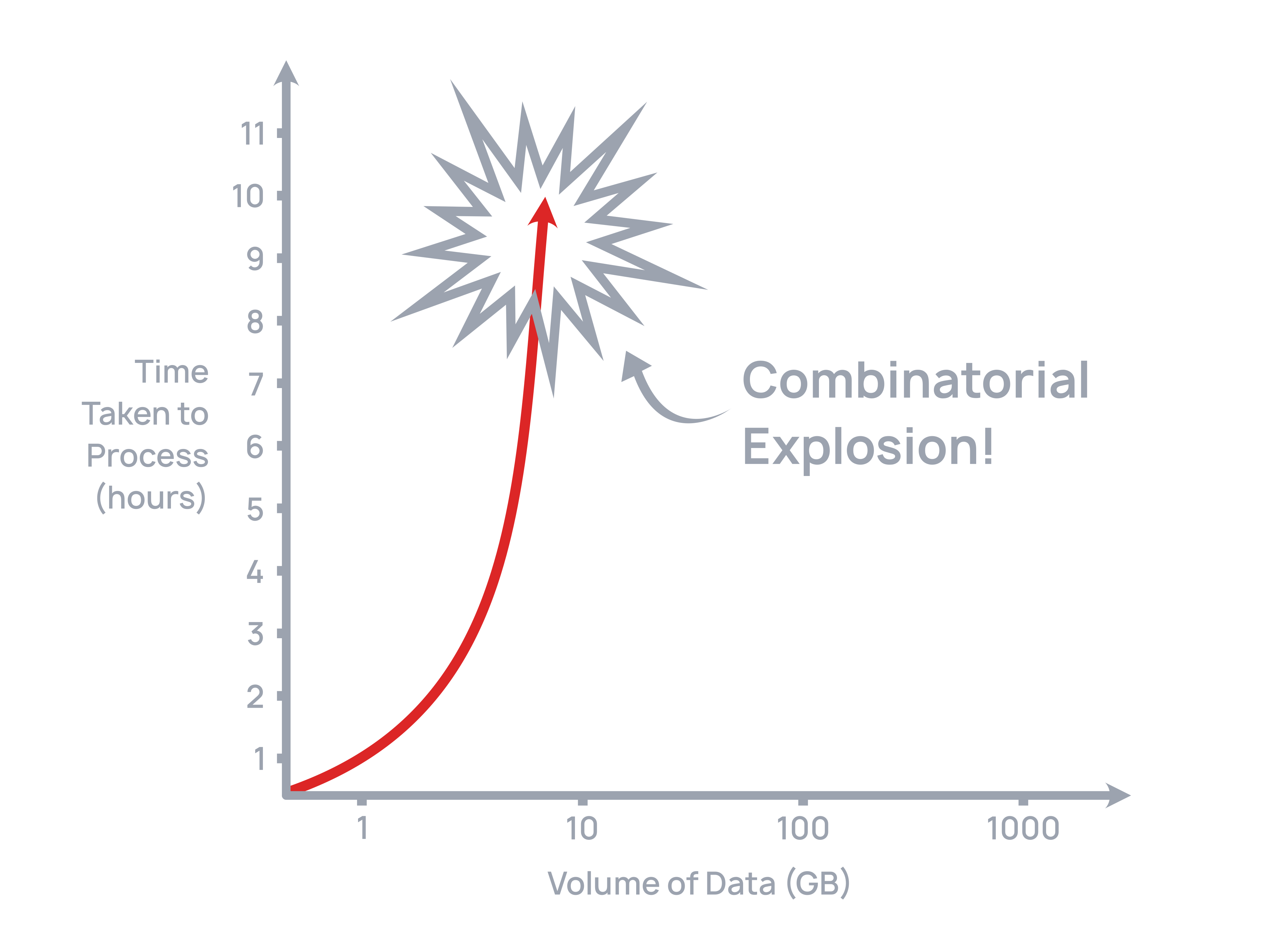
Every causal analysis must consider every possible cause-and-effect relationship between variables. For just 20 variables, there are more possible graphs than atoms in the observable universe. For 50 variables, the space is incomprehensibly larger.
Classical methods either grind to a halt, get stuck in local optima, or produce results so dense they require weeks of manual post-processing. This is why most causal projects are one-off consulting engagements scoped to a handful of variables and run by a team of PhDs - not scalable or easy to build repeatable infrastructure through technology available today.
The result: Organisations run selective, expensive causal projects on their highest-priority questions, or try to build it themselves with open-source tools, and hit the same scaling wall that the algorithms were never designed to get past.
Identifying Latent Confounders
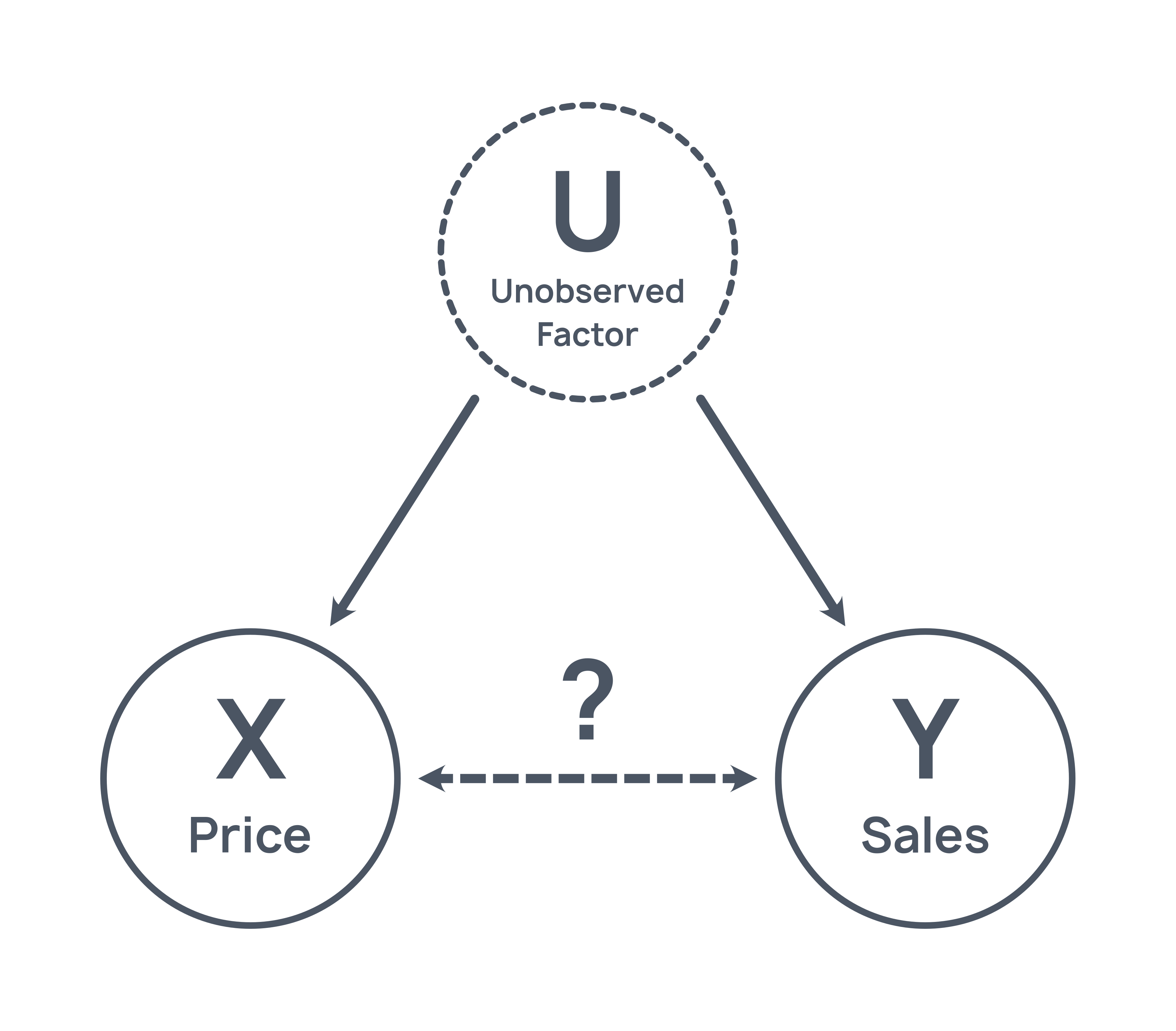
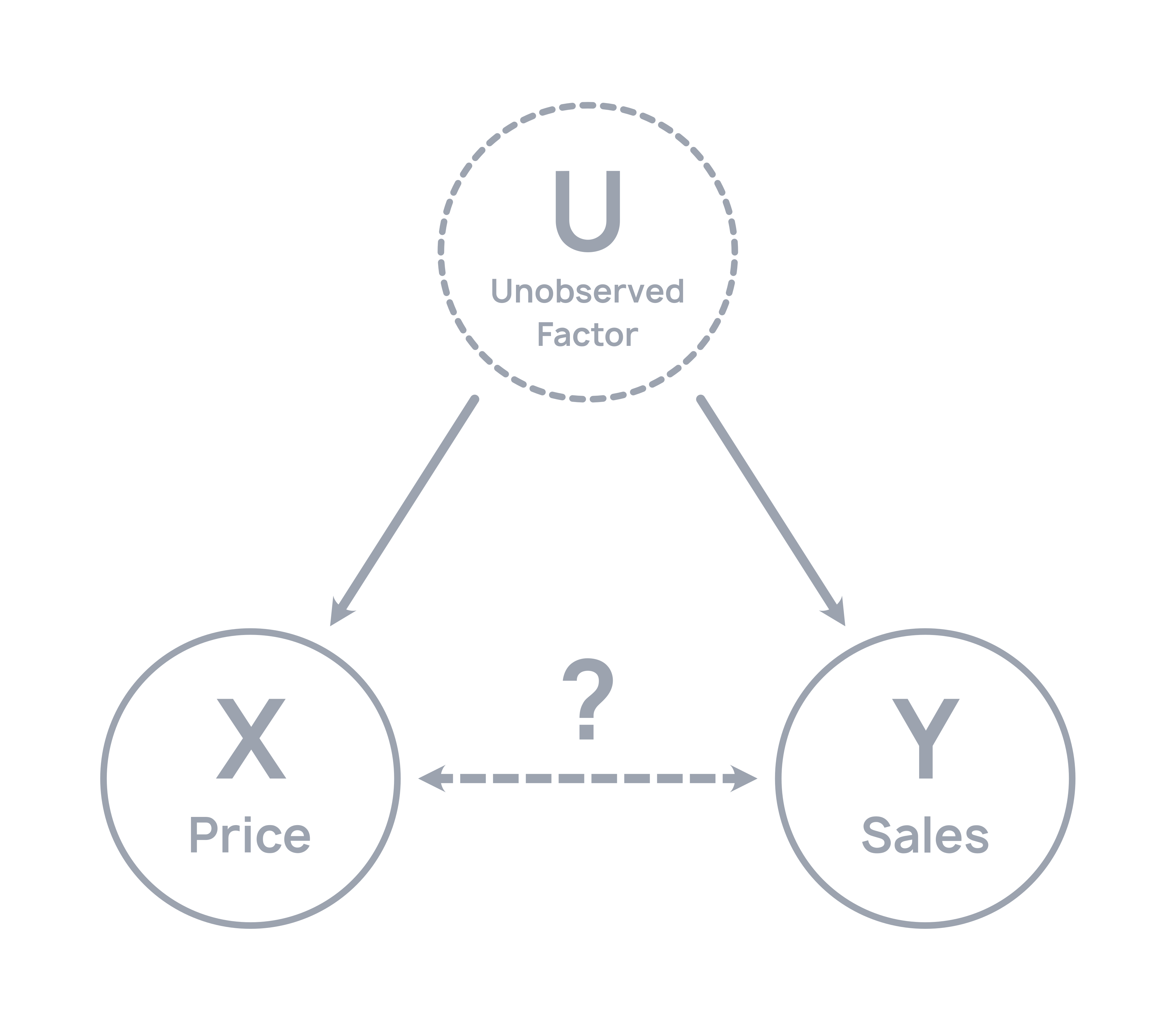
Real business data is full of things you can't measure directly: customer sentiment, hidden demand shifts, internal decisions that never got logged. When these invisible drivers are pushing both a cause and its effect at the same time, your analysis blames the wrong thing. You act on it, and the results don't match.
Most teams deal with this in one of three ways: run an A/B test (expensive, slow, and often impossible for the question you're actually asking), hire a specialist to do a one-off study (doesn't scale), or just ignore the problem and hope the missing variables aren't distorting the answer too much. None of these work at enterprise scale.
What RootCause Does Differently:
Automated Discovery Engine
RootCause.ai rebuilt causal discovery from first principles to work under the conditions that actually characterise enterprise data: high dimensionality, noisy measurements, missing variables, and systematic violations of textbook assumptions.
Solving Combinatorial Explosion
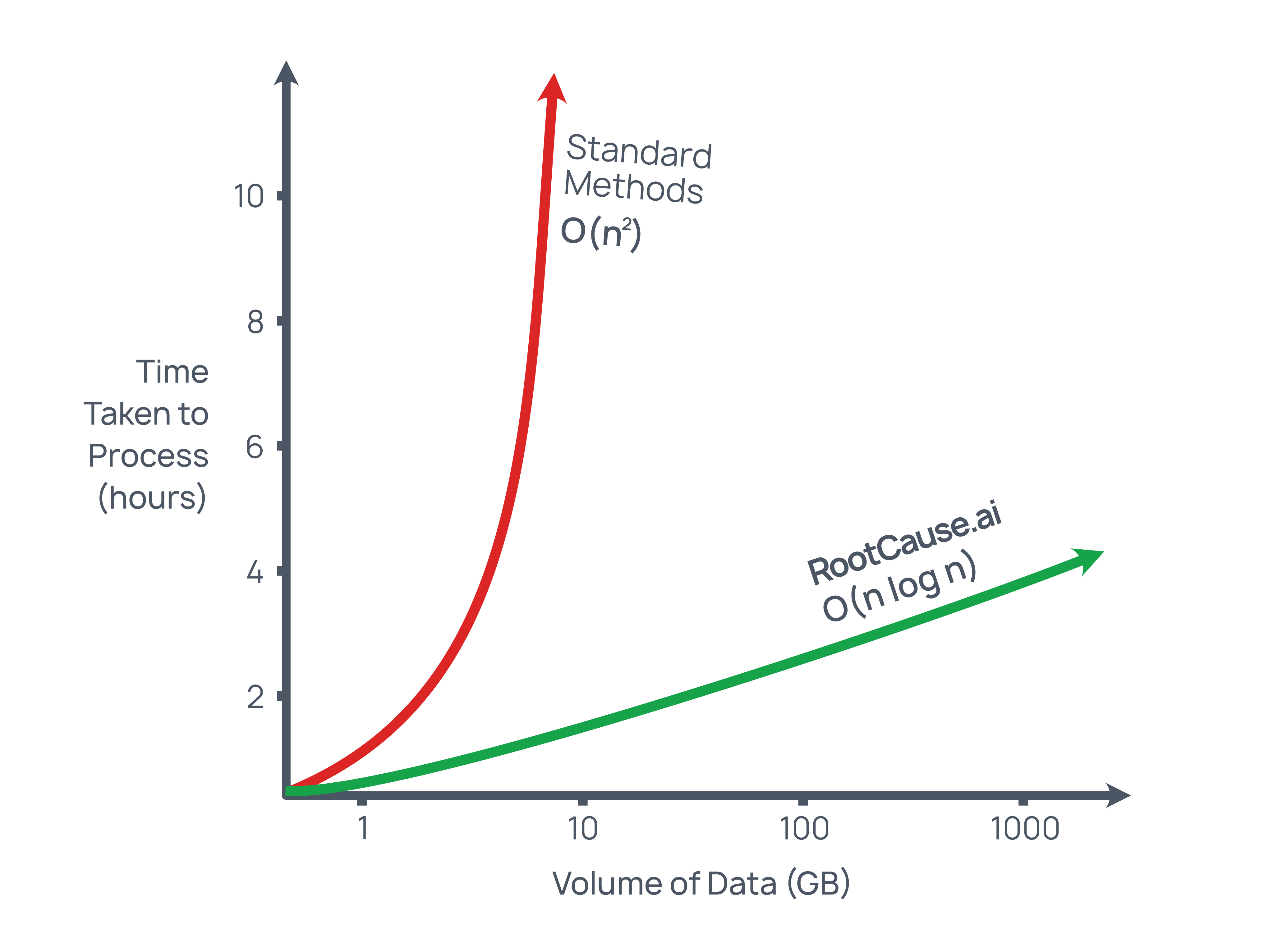
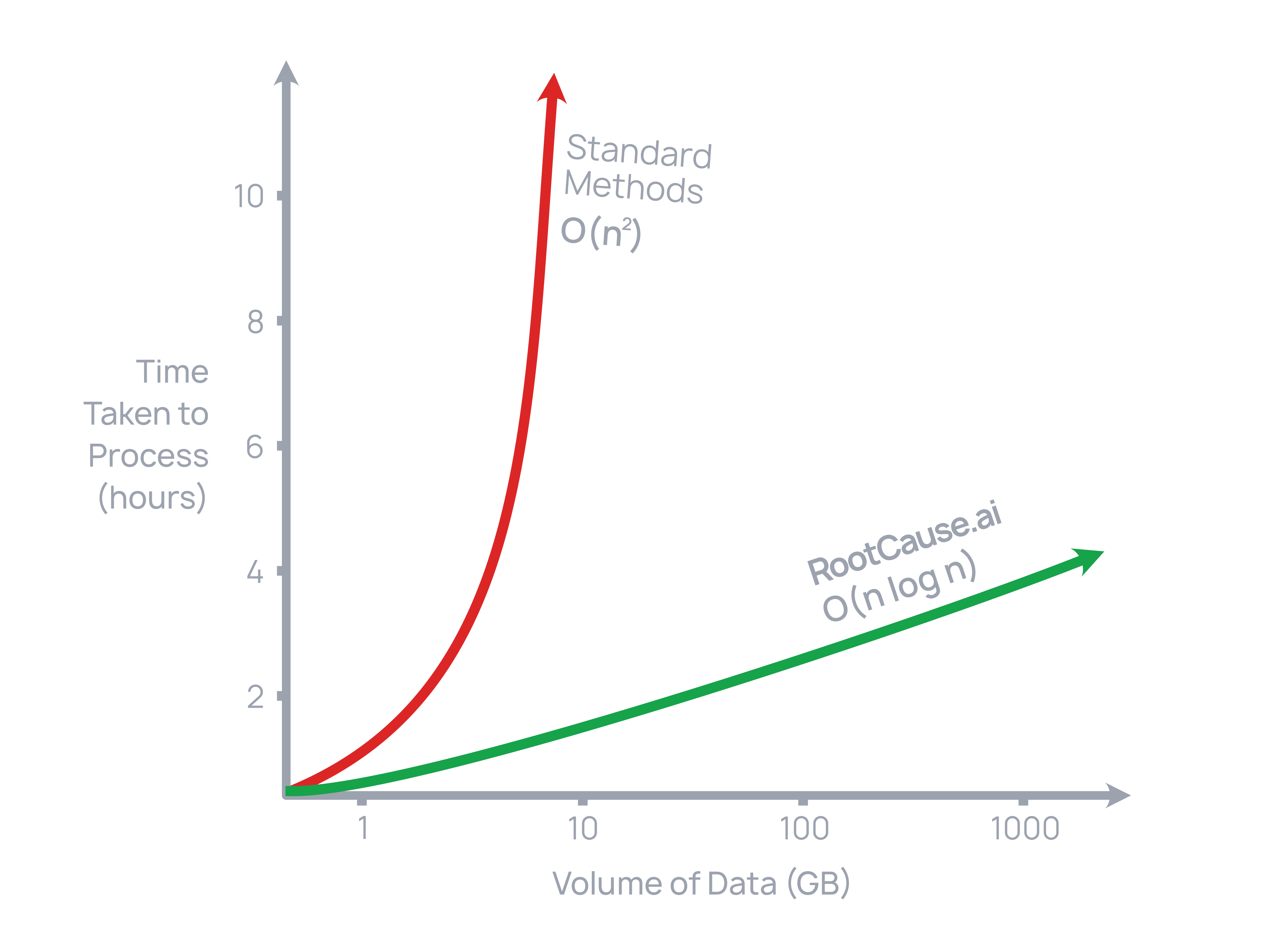
Our engine recognises causal patterns and uses each finding to rule out entire regions of the search space at once. One informative test can update hundreds of hypotheses simultaneously.
The result is that search time depends on the number of variables, not the size of your data. Whether you have 10,000 rows or 10 million, discovery takes the same amount of time. Graphs with 70+ variables complete in minutes where classical methods fail to converge or run for hours.
Solving Latent Confounders
When a hidden variable drives multiple things you can measure, it doesn't affect them all the same way. Each downstream metric gets a slightly different version of that hidden signal - filtered, delayed, or transformed by the business processes in between.
Our engine uses the causal structure it's already discovered to identify where those hidden drivers must be, then triangulates them from the different "views" that your observed data provides. Think of it like GPS: you can't see the satellite, but three signals from different angles are enough to pinpoint the source.
The counterintuitive result: the messy, deep, over-measured data that enterprises complain about - long operational funnels, noisy proxies, redundant metrics - is actually better for confounder recovery than clean, curated datasets. Depth and redundancy give the engine more angles to triangulate from.
From Raw Data to Causal-Ready
Before discovery begins, your data needs to be structured for causal analysis, handling mixed types, resolving measurement scales, and building a coherent variable ontology. Our Autonomous Ontology engine handles this automatically, so the discovery engine receives clean, typed, analysis-ready data.
Ready to Unlock True Causal Understanding?
See RootCause.ai's Causal Discovery Engine in action. Schedule a personalized demo and learn how we can help you identify the real drivers of your business and make decisions with unprecedented confidence.